
Periodic Table of SEO Elements
The SEO Periodic Table is a structured guide that organizes the key elements of search engine optimization (SEO) into categories, much like the traditional periodic table of elements in chemistry. It helps marketers, web designers, and content creators understand the fundamental factors that influence search rankings.
Click on a Letter below to get a pop-up describing the Element
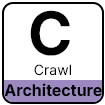
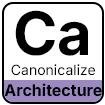

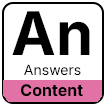
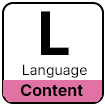
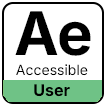
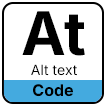
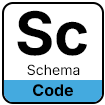

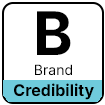


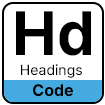

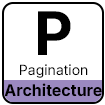
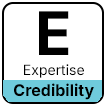
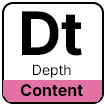

The SEO Periodic Table is a widely recognized tool designed to help you grasp the key elements of a successful SEO strategy.
Whether you’re new to SEO or need to educate clients and stakeholders, this resource breaks down the major factors that contribute to long-term success.
The table organizes 44 essential SEO elements into distinct groups, each playing a crucial role in overall performance. No single element or category outweighs the rest—SEO is about a well-rounded approach, where everything is interconnected.
That said, some factors may carry more weight depending on your industry, market, or niche. While search engines don’t disclose exactly how their algorithms rank content, this guide provides a strong foundation for understanding what matters most in achieving greater visibility.
Element Group
The SEO Periodic Table is structured into groups of related elements, each representing a key factor in achieving SEO success.
The table is divided into seven main categories: Content, Architecture, Code, Credibility, Links, User, and Performance. Understanding how these elements work together will help you build a strong, well-optimized strategy.
Content
Without content, ranking in search results is impossible. However, simply publishing content without a strategy won’t get you far.
The Content group of the SEO Periodic Table highlights the key elements needed to create content that search engines reward with visibility. Most of these factors fall under on-page SEO and content marketing.
- Quality: Create high-value, well-written content that is useful and error-free.
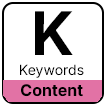
- Keywords: Use relevant keywords naturally to reach your audience without keyword stuffing.
- Freshness: Keep content updated and remove outdated pages to maintain rankings.
- Relevance: Ensure content aligns with user intent and provides valuable information.
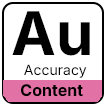
- Accuracy: Deliver on your content’s promise—avoid misleading or clickbait titles.
- Depth: Offer comprehensive insights rather than focusing on word count.
- Uniqueness: Differentiate your content by adding original value.
- Answers: Provide complete and direct answers to users’ questions.
- Multimedia: Use images, videos, and audio to enhance content and increase visibility.
- Language: Ensure content matches the language of your target audience.
- Consensus: Align with high-quality sources, especially in fields where accuracy is critical.
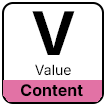
- Value: Every piece of content should have a clear purpose beyond just ranking.
Architecture
A well-structured website enhances SEO, while poor structure can lead to frustration and subpar results.
The Architecture group focuses on creating a website that is easy for both users and search engines to navigate and understand. These elements fall under on-page and technical SEO.
- Crawlability: Ensure search engines can easily access and index your pages.
- Taxonomy: Organize content logically with well-structured interlinking.
- Page Structure: Balance main content, supplemental content, and ads for clarity.
- Mobile-First: Prioritize mobile optimization for a seamless user experience.
- URLs: Keep URLs simple, readable, and descriptive.
- Canonicalization: Use canonical tags and redirects to manage duplicate content.
- Pagination: Structure multi-page content effectively.
- HTTPS: Secure your site to protect user data and enhance trust.
Code
While users don’t see it, clean and structured code is vital for SEO. You don’t need to be a developer, but understanding HTML, structured data, and programming languages can improve site performance.
The Code group focuses on optimizing elements that improve user experience and help search engines understand your content.
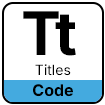
- Titles: Craft clear, keyword-optimized titles to attract clicks.
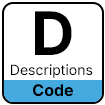
- Descriptions: Write compelling meta descriptions summarizing page content.
- Headings: Use structured headings with relevant keywords.
- Image Alt Text: Improve accessibility and enhance image SEO.
- Schema Markup: Implement structured data to enrich search snippets.
Credibility
Google values Experience, Expertise, Authoritativeness, and Trustworthiness (E-E-A-T) in rankings. Establishing credibility builds trust and strengthens your organic visibility.
The Credibility group highlights key factors that influence your reputation across search and brand marketing.
- Trustworthiness: Ensure content is accurate, honest, and reliable.
- Experience: Demonstrate firsthand knowledge in your content.
- Expertise: Content should reflect deep subject matter understanding.
- Authoritativeness: Build recognition through links, mentions, and references.
- Branding: Maintain a consistent brand identity across content and assets.
- Creator Reputation: Credentials, peer recognition, and industry reputation matter.
Links
Links have been a core ranking factor since Google’s early days. While quantity once dominated, quality now plays a much bigger role.
The Links group covers both internal and external links, focusing on how they provide value and context for users and search engines.
- Anchor Text: Use concise, relevant text when linking internally and externally.
- Inbound Links: Earn high-quality backlinks from authoritative sources.
- Internal Links: Guide users with strategic navigation and contextual links.
- External Links: Link to credible third-party sources to enhance user experience.
User Experience (UX)
Google prioritizes user experience, and so should you. Understanding what users want and delivering it effectively is crucial for SEO success.
The User group focuses on optimizing for real people and improving overall usability.
- Accessibility: Ensure content is inclusive and easy to access for all users.
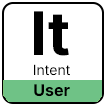
- Intent: Align content with user search intent.
- Interactions: Understand how users engage with search results and site content.
- Local Relevance: Optimize for regional or localized experiences.
- Satisfaction: Provide value so users don’t leave for competitors.
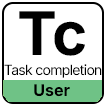
- Task Completion: Help users achieve their goals efficiently.
Performance
Optimized content and site structure mean little if your website performs poorly. Slow load times and unstable layouts frustrate users and impact SEO rankings.
The Performance group focuses on key technical SEO factors that improve page experience.
- Speed: Pages should load quickly across all devices.
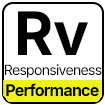
- Responsiveness: Reduce delays between user interactions and content updates.
- Visual Stability: Prevent layout shifts that disrupt the user experience.
Source:
For a comprehensive breakdown of the SEO Periodic Table and its elements, visit Search Engine Land


